Every Game Has a Tail Number: Decoding the RTP Stamped on Your Favorite Casino Titles
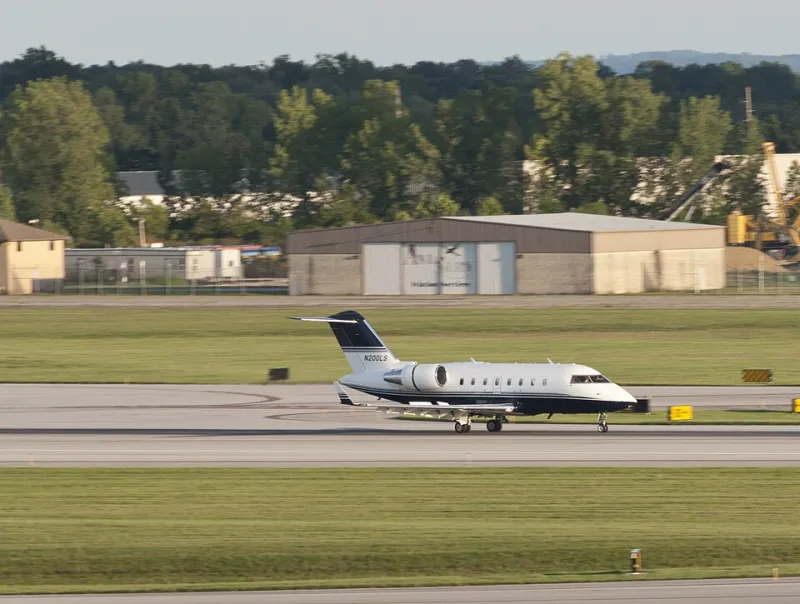
Photo: Sixflashphoto, CC BY-SA 4.0, via Wikimedia Commons
Walk through any regional airport and you'll spot it: a little alphanumeric code painted on the tail of every aircraft. N-something-something. That's not decoration. It's the plane's registration — a public record that tells you who owns it, where it's registered, and how to look up its entire service history. Aviation nerds can rattle off tail numbers the way baseball fans cite batting averages.
Casino games have tail numbers too. Most players just never look up.
The Registration Plate You've Been Ignoring
That plate is called RTP — Return to Player — and it's usually printed right in the game's info or paytable screen. A slot showing 96.5% RTP is telling you something very specific: over an enormous number of spins, the game is designed to return about $96.50 of every $100 wagered. The other $3.50 is the house edge, the operator's cut for running the flight.
Here's the part that trips people up: that number is a long-haul statistic, not a promise for your Tuesday night. Airlines don't guarantee your specific flight lands on time just because the route averages 94% punctuality. Same deal here. On any given session, you can land way ahead or way behind the published figure. But over thousands of spins, the math tightens its grip like gravity.
Where to Find Your Game's Tail Number
You don't need a mechanic's license to look this up:
- Slots: Tap the info, help, or "i" icon inside the game. RTP is usually listed near the paytable. If a game hides it, that's worth noticing on its own.
- Table games: The RTP isn't printed because it depends on your decisions. Blackjack with standard rules hovers around 99%+ when you play basic strategy. American double-zero roulette sits at 94.74%. The game rules are the tail number.
- Volatility: Often listed alongside RTP in slots, or hinted at in the game description. Low volatility means frequent small payouts; high volatility means long dry stretches punctuated by occasional jackpots.
The Casual Player's Cheat Sheet
Think of this as your route map — matching the aircraft to the trip you're actually taking:
| Game | Typical RTP | Volatility | Best For |
|---|---|---|---|
| Blackjack (basic strategy) | ~99% | Low | Long, steady sessions |
| European roulette | ~97.3% | Medium | Even-money bettors |
| American roulette | ~94.7% | Medium | Tradition lovers (know the cost) |
| Classic 3-reel slots | 95–97% | Low–Medium | Relaxed, longer play on a budget |
| Modern video slots | 94–96.5% | Medium–High | Bonus-chasers with patience |
| Progressive jackpot slots | 88–94% | Very High | Jackpot dreamers, short sessions |
Notice the pattern? The games where you make decisions tend to fly closer to break-even. The games that run on pure chance charge more for the ride — and the ones dangling seven-figure jackpots charge the most of all. That's not a scam; it's the fare for the ticket.
Volatility Is Your Flight Class
RTP tells you the destination's average temperature. Volatility tells you how bumpy the ride will be getting there.
A high-volatility slot at 96% RTP and a low-volatility slot at 96% RTP feel nothing alike. The first might eat forty spins in a row before dropping a hit worth 100x your bet. The second pays you something every few minutes, but nothing that rewrites your evening. Neither is better — it depends on whether you want a smooth regional hop or a red-eye with turbulence.
Practical rule of thumb: high volatility demands a bigger bankroll relative to your bet size. If you're playing a $20 session, a penny bet on a high-volatility game gives you more runway than a $1 bet on the same machine.
Three Ways to Actually Use This
- Set your expectations before you board. A 95% RTP game means budgeting roughly $5 of expected cost per $100 cycled through. That's the entertainment price tag. Decide if the show is worth it.
- Match the game to the session length. Short break? Low-volatility, higher-RTP fare stretches your time. Settled in for a while with a set budget? That's when a high-volatility chase can make sense.
- Stop pretending the number doesn't exist. The single biggest upgrade a casual player can make isn't a betting system — it's simply reading the plate before sitting down. Ten seconds in the info screen beats an hour of guessing.
The Bottom Line
Nobody picks a flight without glancing at the aircraft, the route, and the on-time record. Yet most players spin for years without once checking the RTP of the games they love. The math isn't hidden — it's painted right there on the tail.
Read the number. Respect the volatility. Then pick the ride that matches the trip you actually want to take. Every play counts more when you know what plane you're boarding.