Retired Numbers and Hot Streaks: What Sports Rituals Get Right About Luck
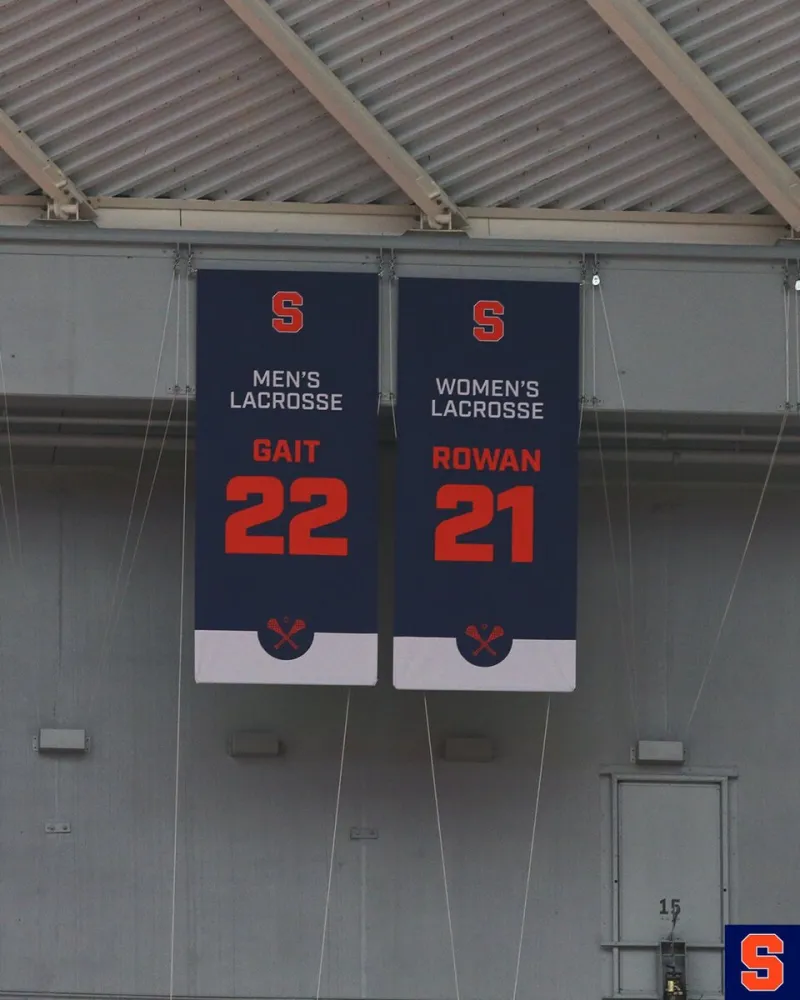
Photo: Kiran891, CC BY-SA 4.0, via Wikimedia Commons
Walk into any MLB ballpark and you'll see numbers hanging from the rafters that no player will ever wear again. The Yankees retired so many digits that rookies are basically down to single digits nobody's claimed yet. Michael Jordan's 23 is so iconic that half the kids in my neighborhood growing up refused to wear anything else.
And yet here's the thing every athlete quietly knows: the number doesn't hit the shots. Jordan could have worn 47 and he'd still be Jordan. The number is a container for confidence, not a source of it.
Casino players could stand to learn the same lesson.
Why We Fall for Lucky Digits
There's a name for this: the illusion of control. Humans are pattern-hungry creatures, and nothing feeds that hunger like a slot screen or a roulette wheel. When your blackjack hand wins right after you tapped your lucky 7 twice on the felt, your brain files that away as cause and effect. It isn't. Every spin, every shuffle, every roll is independent. The machine doesn't know your birthday.
But before we write superstition off entirely, consider what the research on athlete rituals actually shows. Studies on pre-performance routines — the bounce before the free throw, the glove taps before the pitch — find that rituals don't change the physical odds, but they do reduce anxiety and improve focus. The free throw shooter who goes through the same motions shoots more consistently, not because the universe is listening, but because his head is clear.
That's the real magic of lucky numbers. Not the number. The ritual.
When the Ritual Works
Here's my working rule: a lucky number is useful as long as it's doing discipline work and useless the moment it's doing bankroll damage.
Say your number is 686 — a fine number, if I do say so. Used well, it becomes structure. You buy in for $68.60 because that's a session amount you already decided you could lose. You set a session timer for 68 minutes and you honor it. You walk when it's gone, no exceptions. Now your "lucky number" is really a commitment device — a memorable hook your brain can grab onto when the smarter, sober version of you isn't around to negotiate with the impulsive one.
That's the same thing a relief pitcher is doing when he steps off the rubber and adjusts his cap the exact same way every time. It's not magic. It's a signal to his own nervous system: same routine, same focus, no spiraling.
When to Ignore the Number
Now the flip side, and this is where lucky digits go rotten.
The moment your number starts justifying bigger bets, you've crossed a line. "It's my lucky night, I should press it" is not a strategy — it's a loss disguised as destiny. Chasing a cold streak because your number is "due" is the gambler's fallacy wearing a jersey. Slots don't have memory. Dice don't have loyalty.
The tell is simple: does the ritual constrain you or release you? Good rituals put fences around your play. Bad rituals tear fences down.
- Good: "I always start with $40 and stop at 9 PM." A boundary with a lucky flavor.
- Bad: "I lost four in a row on 17, so I'm doubling down on 17." A boundary being dismantled.
If your number ever asks you for more money than you planned to spend, bench it.
Building a Ritual That Actually Pays
If you want a personal ritual that helps instead of hurts, steal the athlete's playbook:
- Pick a number that means something to you. A birthday, a jersey, an old area code. Meaning makes it sticky, and sticky makes it easy to follow.
- Attach it to a limit, not a bet. Your number becomes your buy-in, your time cap, or your walk-away line. Now the ritual enforces discipline.
- Keep the pre-game routine short. Same drink, same chair, same two-minute check of your budget. Rituals work best when they're boring.
- Never let the number override the plan. The plan is the boss. The number is just the mascot.
Do that and you get the best of both worlds — the comfort of superstition with none of the bill.
The Number on the Jersey Isn't the Player
Every retired number in every arena is really a monument to preparation, repetition, and nerve — the digits just got the plaque. Your lucky number at the tables deserves the same humble role. Let it steady you. Let it remind you of your limits. Just don't ask it to bend the odds, because it can't, and the players who last are the ones who never needed it to.
Play the ritual. Respect the math. And when the number stops helping you quit on time, hang it from the rafters and pick a new one.